Elastography
Elastography is a modern, painless ultrasound diagnostic method that allows you to assess the elasticity (elasticity) of liver, breast, thyroid. Thanks to elastography, you can determine even minor changes in the structure of the organ, which helps to detect diseases in the early stages, without the need for invasive interventions. This examination is painless and absolutely safe.
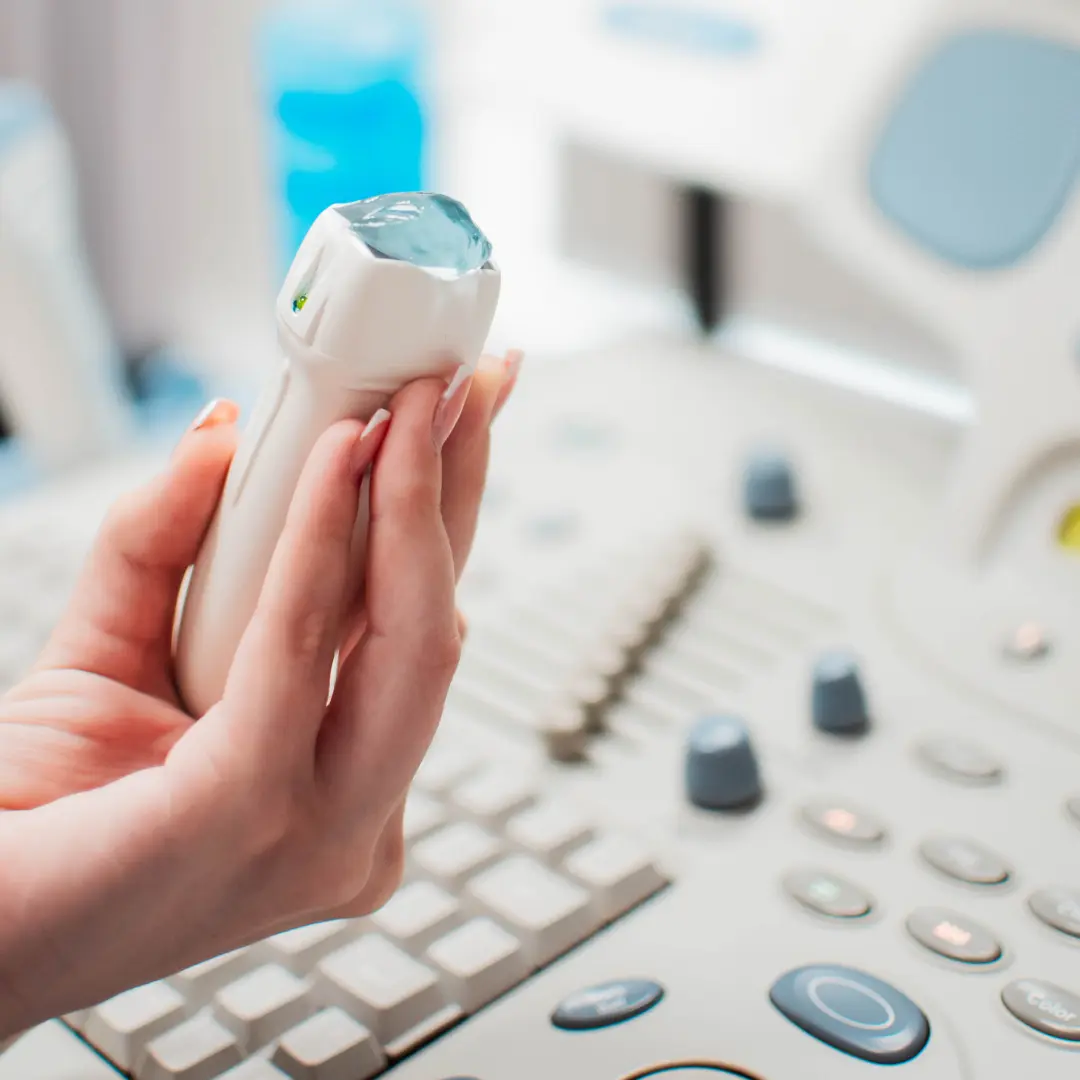
Elastography allows:
Detect liver fibrosis and determine its degree
Detect and differentiate benign and malignant neoplasms of the mammary and thyroid glands
Assess the elasticity of soft tissues - after injuries, with suspected tumors or inflammatory processes
Monitor the dynamics of chronic diseases (for example, viral hepatitis, autoimmune diseases)
Additional services
Indications and contraindications for elastography
Chronic liver diseases (hepatitis, cirrhosis, steatosis, alcohol or drug damage)
Unclear changes on standard ultrasound of the liver, breast or thyroid gland
Control of fibrosis in viral
Assessment of the condition of nodes in the thyroid gland, suspected malignancy
Detection of neoplasms in the mammary glands
Diagnosis of soft tissue lesions (e.g., after injuries)
Non-invasive monitoring of disease dynamics
Detection of diffuse and local changes in tissues to determine treatment tactics
Severe general condition of the patient (high fever, acute infection)
Inability of the sensor to contact the examination area (e.g., postoperative wounds, extensive burns in the examination area)
For liver elastography - late pregnancy or acute abdominal conditions (evaluated individually)
How is elastography performed?
The elastography procedure at the Dokos Medical clinic is performed in comfortable conditions and lasts 20–30 minutes. The doctor uses modern, expert-class ultrasound equipment.
Liver elastography is performed with the patient lying on their back. Gel is applied to the right upper quadrant. The sensor detects waves reflected from the tissues and generates a color map of the organ's stiffness.
During the examination, the doctor first performs a conventional ultrasound, assessing the structure of the tissues, the presence of formations, and their sizes. After that, the elastography mode is activated, which allows assessing the density of tissues or detected formations.
Elastography complements conventional ultrasound by helping to determine how soft or hard the tissue is. This is especially important for more accurate differentiation between benign and potentially suspicious changes.
The examination is painless, safe, and performed during a single visit. The results of elastography are analyzed by a doctor together with the data from a standard ultrasound, which increases the accuracy of the diagnosis and helps determine further observation or treatment tactics.
For patients with chronic diseases, the procedure can be performed regularly for monitoring purposes.
How to prepare for elastography?
For liver elastography:
Refrain from eating for 6-10 hours before the examination (fasting).
Drinking water is allowed, but in small quantities.
If you are taking medication, inform your doctor.
Clothing should be comfortable for quick access to the examination area.
No special preparation is required for elastography of the breast, thyroid gland, or soft tissues.
Contact us
For quick appointment booking, you can use our bots on Telegram or Viber, or contact us directly by phone or email.
Elastography in Kyiv
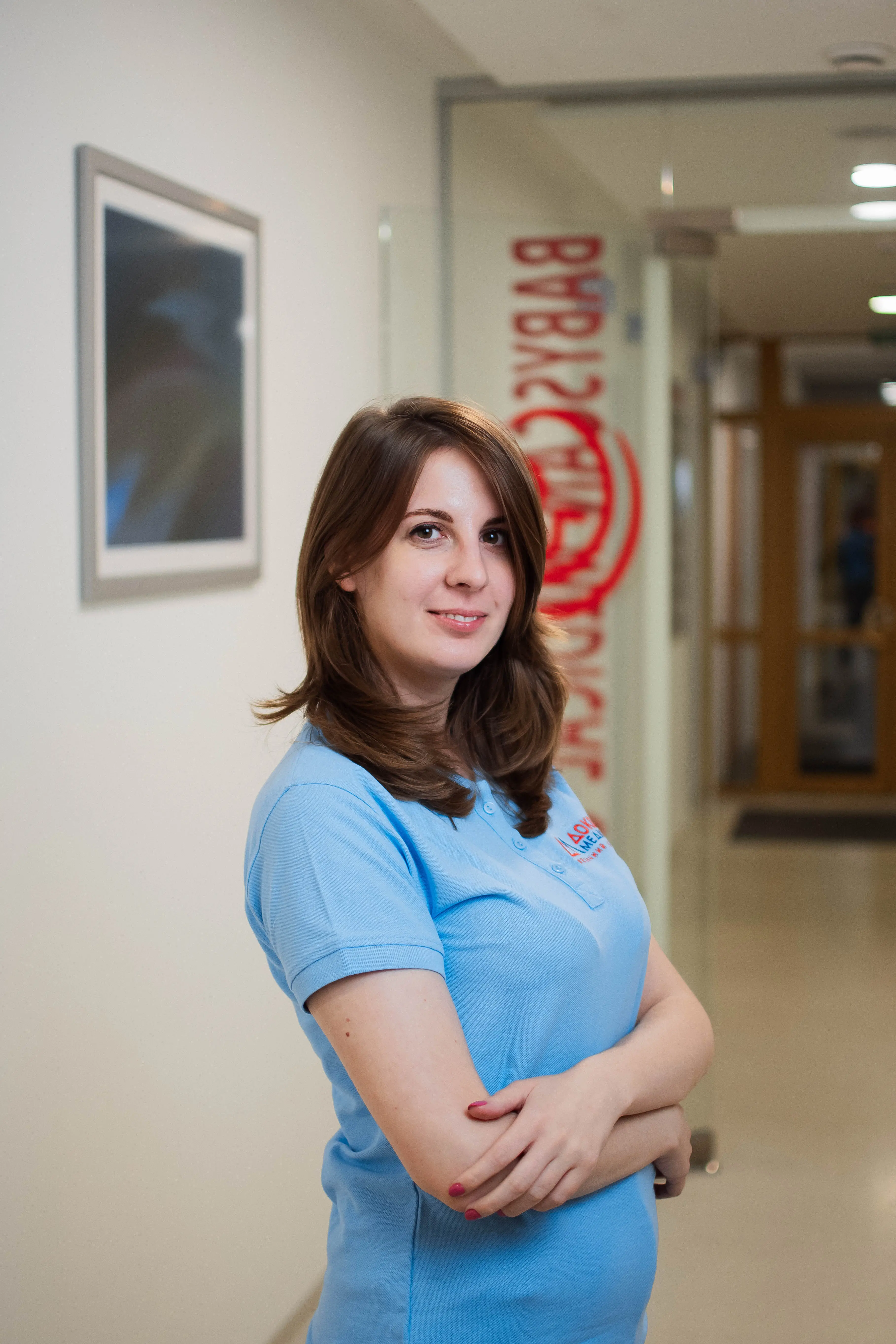
Our specialists
ultrasound doctor, gastroenterologist
Olga Bukur
Chernihivska
Our advantages
Why people trust us
Highly qualified specialists
Our team consists of experienced specialists who regularly improve their qualifications.
Comprehensive approach
The work of a multidisciplinary team of doctors
Affordable prices
At Dokos Medical Center, you receive high-quality consultation at reasonable prices, making medical care accessible to everyone.
Prices for services
Elastography services
| Service name | Price (UAH) |
|---|---|
| Elastography (fibroelastometry) of the liver | 850 |
| Thyroid ultrasound with elastography | 800 |
| Breast ultrasound with elastography | 850 |
| Comprehensive multiparametric liver examination (including ultrasound, elastography, steatometry and Dopplerography) | 1500 |