Contents:
Preventive examinations in older people - what should you remember?
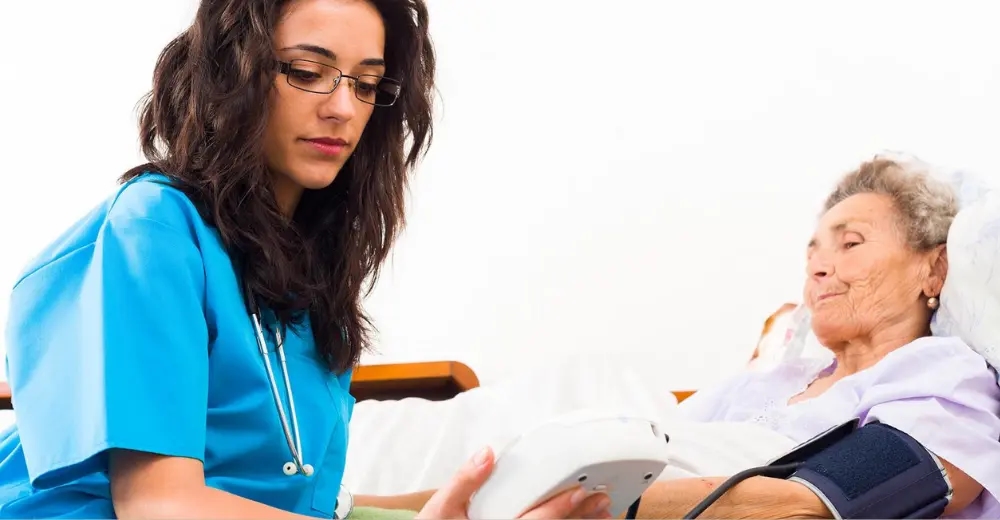
If a person of working age misses a regular preventive examination, this may not have terrible consequences. However, for an elderly person, this often leads to "missing" serious problems that are invisible at first glance.
With age, unique changes occur in our body and health, which requires frequent visits to the doctor and regular medical examinations. As you know, about ¼ of visits to a family doctor and 60% of hospitalizations are elderly people.
What is important to monitor in old age?
Necessary measures for preventive examinations in older people include:
Measurement of blood pressure. High blood pressure often provokes serious diseases such as stroke, heart attack, ischemic heart disease or others. At each visit to the cardiologist, you will undergo an examination, blood pressure measurement and 24-hour blood pressure monitoring to rule out any life-threatening conditions.
Fundus examination. As you age, your vision becomes worse. Current guidelines recommend that basic examinations by an ophthalmologist should begin at age 40 and be performed annually to determine if deterioration is developing. If you are over 40, it is never too late to get an examination!
Overweight. More than ⅓ of older people (65+) are overweight. If you are facing such a problem, your doctor can help you lose weight and keep it under control with dietary recommendations and an exercise plan.
Vaccination in the elderly is also important
Seasonal flu. People over 65 have a higher risk of developing complications from colds, which can lead to hospitalization or even death. It is worth getting vaccinated against seasonal flu every year to protect yourself from dangerous complications. Since the coronavirus pandemic is currently ongoing, you can reduce the risk of infection and contact by calling a doctor at home and receiving the necessary care.
Pneumococcal infection. Vaccination helps prevent the development of pneumococcal pneumonia and its complications, which can be very dangerous for such patients due to age.
Older people are more likely to take a large number of different medications because they have chronic diseases. Each medication can have side effects or they counteract each other. That is why your doctor can adjust your treatment (change the dosage or replace medications if necessary).
Screening may seem like a difficult and unnecessary thing in your life, but it is preventive measures that will save your health, time and money.
Contact us
To quickly book an appointment, you can use our bots in Telegram or Viber, or contact us directly by phone or email.