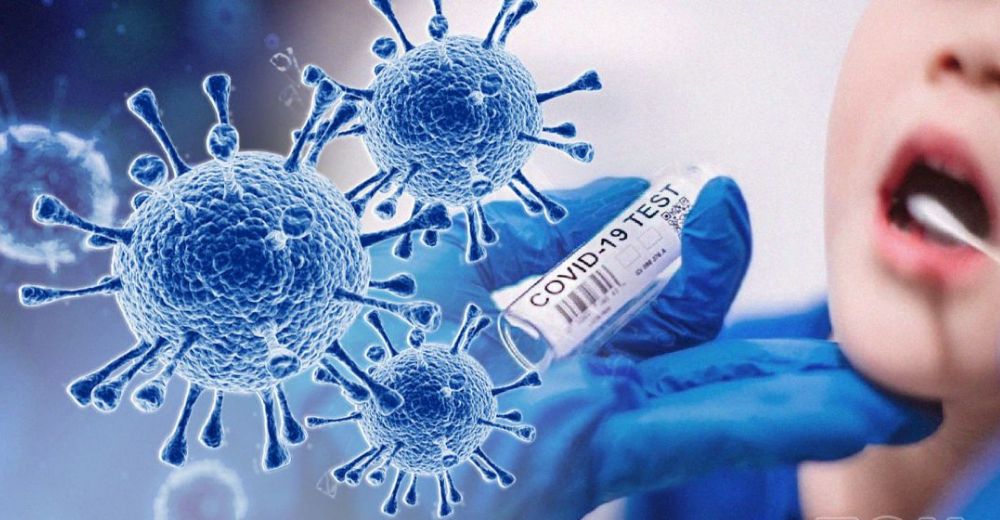
Пандемія коронавірусу. Що варто знати про новий коронавірус 2019 року.
Coronavirus pandemic. What you should know about COVID-19
The coronavirus pandemic has made adjustments to the lives of all people on the planet. Let’s try to dispel the panic a little. Let’s tell you who really should be afraid, and who can calm down
What is coronavirus and what symptoms does it cause?
So, the new coronavirus of 2019 is a virus that causes the development of respiratory diseases in humans (in particular, acute respiratory disease COVID-19) and can be transmitted from person to person.
A patient infected with coronavirus develops symptoms of respiratory disease of varying severity:
- Mild degree is manifested by minor clinical symptoms (dry cough, fever up to 38 C), there is no pneumonia.
- Moderate degree – manifested by fever, symptoms of lower respiratory tract damage. Pneumonia is seen on an X-ray. In the general blood test, leukocytopenia, lymphocytopenia, increased troponin, increased ESR, CRP.
- Severe degree – shortness of breath, reduced blood oxygen saturation – less than 95%, fever, increased D-dimer levels, increased LDH, decreased CD4+ T lymphocytes are noted in the blood.
- Critical – respiratory failure requiring mechanical ventilation; shock; multiple organ failure.
The first symptoms of COVID-19 are often fever, dry deep cough, sneezing, sore throat.
The incubation period is 14-21 days.
Do not panic! 80% of people infected with coronavirus recover without requiring special treatment, however, one in six may develop a severe course of the disease.
In mild form, the infection occurs in people aged 10 to 39 years. Then the chances of a severe course increase. The risk group for severe and critical COVID-19 includes the elderly, people with chronic cardiovascular and renal diseases, diabetes, cancer patients and pregnant women.
Why is this? First, such people are more susceptible to infection than others and suffer any bacterial or viral diseases in a more severe form, because they have weakened immunity. Secondly, patients with cardiovascular and chronic respiratory diseases have compromised lungs – impaired pulmonary blood flow, a reduced local defense system, and since the coronavirus is tropic to receptors on the lung tissue – it is more difficult for a weakened organ to fight the infection.
Therefore, it is very important that now, first of all, the elderly and people with any chronic diseases stay at home and protect themselves. After all, the best treatment is prevention. This also applies to the rest of the population – be self-aware and stay home – don’t give the virus a chance to spread.